Doors are more than mere entrances; they are statements. They protect, enhance aesthetics, define spaces, and influence how you experience a home or commercial building. Among the many materials available, aluminum has become increasingly popular for door design — combining strength, versatility, and modern elegance. In this post, we explore what makes aluminum door design so appealing, current trends, benefits & drawbacks, design tips, and how to choose the right aluminum door for your needs.
Why Choose Aluminum for Doors?
Before diving into design ideas, it helps to understand the advantages of aluminum as a material for doors. This context also helps when writing about “aluminum door design,” because people care about how a door will perform as much as how it looks.
- Durability & Strength
Aluminum is naturally resistant to corrosion, rust, warping, or splitting, even in challenging weather conditions. Unlike wood, it doesn’t swell or shrink with moisture. derchidoor.com+2Aluminium Magazine+2 - Design Flexibility
Slim frames, large glass panels, varied finishes and colours make aluminum extremely versatile. It can suit minimalist, industrial, modern, or even transitional styles. aiswindows.com+3jy-aluminum.com+3aluminum-supply.com+3 - Energy Efficiency
Concerns over energy use have driven innovations like thermal breaks, double or triple glazing, weather seals etc., which reduce heat transfer and improve indoor comfort. jy-aluminum.com+2Aluminium Magazine+2 - Low Maintenance
Once installed, aluminum doors require less day‑to‑day upkeep. Powder coatings resist fading; cleaning is easy. No need for frequent repainting or sealing as with wood. derchidoor.com+2Aluminium Magazine+2 - Environmental Benefits
Aluminum is highly recyclable, and many manufacturers now use recycled aluminum and more eco‑friendly coatings. Market Research Intellect+3visionartaluminium.com+3aiswindows.com+3 - Security & Safety
Aluminum frames are strong, and can be paired with multi‑point locking, security glass etc., to offer robust protection. Aluminium Magazine+2Design Ideas for the Built World+2
What Are the Drawbacks?
To provide a balanced view (which Google & readers often appreciate), here are some cons or trade‑offs to consider:
- Higher Upfront Cost: Aluminum doors tend to cost more initially than simpler wood or uPVC solutions. But their durability often offsets this in the long run. derchidoor.com+1
- Thermal Conductivity: Aluminum conducts heat/cold. Without proper design (thermal breaks, insulation, glazing), indoor temperatures may be harder to control. derchidoor.com+1
- Potential for Scratches / Dents: Although durable, aluminum can dent or scratch under force or impact. derchidoor.com+1
- Limited Changes After Manufacturing: Once powder‑coated or finished, changing look or colour is not easy. So selection up front needs care. derchidoor.com+1
Current Trends in Aluminum Door Design (2024‑2025)
Here are what designers and architects are doing currently, to make aluminum doors not just functional, but stylish and up‑to‑date:
- Sleek Minimalist Aesthetics
Thin profiles, hidden hinges, flush frames, matte finishes — the clean, uncluttered look is very popular. aluminum-supply.com+2jy-aluminum.com+2 - Large Glass Panels & Indoor‑Outdoor Flow
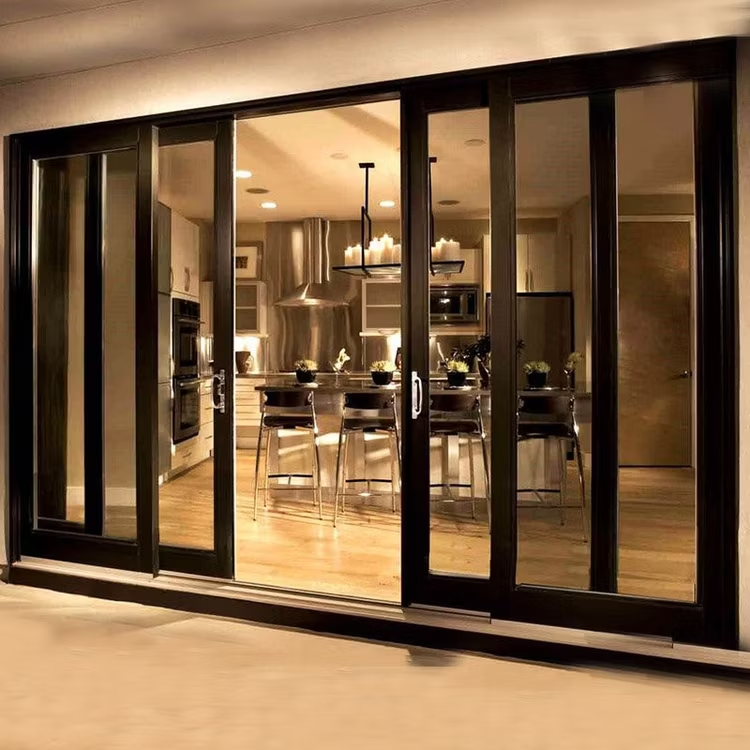
Sliding doors, bifold doors, or large swing doors with expansive glass panels are used to bring in more light and connect indoor and outdoor spaces. jy-aluminum.com+2aluminum-supply.com+2 - Energy‑Efficient & Insulated Designs
Thermal break technologies, double/triple glazing, low‑E glass, good weather seals etc. are becoming standard. jy-aluminum.com+2visionartaluminium.com+2 - Bold Customization in Colours and Finishes
Moving away from just silver or metallic; matte black, charcoal, vibrant colours, wood‑look textures are being used. Powder‑coating helps here. jy-aluminum.com+2visionartaluminium.com+2 - Smart/Automated Features
Integration of digital locks, sensors, automation (sliding / folding automatically), remote control, and sometimes even smart glass. aluminum-supply.com+1 - Security & Safety Upgrades
Multi‑point locking, laminated or toughened safety glass, reinforced frames, acoustic seals etc. Aluminium Magazine+2Design Ideas for the Built World+2
Types of Aluminum Doors
Design and functionality depend heavily on the type. Here are some popular types, and where they work best:
| Type | Best For / Strengths | Considerations |
| Sliding Doors | Great for patios, balconies; space-saving; large glass panels → great for light and view. | Track maintenance; ensuring tight seal to avoid air/water leakage. |
| Bifold Doors | Excellent for wide openings; lets you open entire wall; connecting indoor/outdoor; stylish. | Hardware cost; structural support; cleaning & alignment over time. |
| Casement Doors | For regular use; windows/doors combination; good for ventilation. | Need proper seals; hinges need to be robust. |
| French Doors | Traditional charm; symmetrical looks; good for entryways. | Might swing inward/outward requiring space; need strong locking. |
| Lift‑&‑Slide Doors | Luxurious high‑end feel; smooth operation; large panels with ease. | Heavier mechanism; costlier; needs professional installation. |
Good Design Tips: What to Keep in Mind
To ensure your aluminum door design really works — both visually and functionally — here are some tips:
- Match Frame Finish to Your Overall Style
The finish of the frame (colour, texture) should harmonize with windows, wall‐cladding, roofing etc. Whether modern minimalist (e.g. matte blacks, greys) or more traditional (wood‑look finishes), consistency matters. - Think About Glass Type
Glass choice affects aesthetics, energy efficiency, privacy, and safety. Options include clear glass, frosted or textured glass, laminated safety glass, double or triple glazing, tinted or low‑E glass etc. - Ensure Proper Thermal Breaks & Insulation
Especially in climates with large temperature swings. The frame system should have thermal breaks; glass should have good thermal properties; sealing should be good. - Hardware Quality
Hinges, locks, handles, rollers (for sliding) etc. These impact long‐term performance (ease of use, how well it seals, security). It’s better to choose quality hardware up front. - Weather Proofing & Sealing
Seals, gaskets, drip edges prevent water ingress, reduce drafts. Even the best materials fail if water or air leaks exist. - Size and Scale
A large heavy door needs proper structural support; smaller doors need proportionate frames to look balanced. A tiny door with a huge thick frame may look clumsy; a large door with too flimsy frame may sag or leak. - Accessibility Considerations
Low thresholds, wide openings, ease of use for all (kids, older people, mobility‐impaired) are good design practices. - Maintenance Plan
Even low maintenance materials need periodic cleaning, checking hardware, repainting / touch‑ups (if needed). Plan for it.
How to Choose the Right Aluminum Door Design for Your Project
Everyone’s requirements differ. Here’s a guide to help you narrow down:
- Understand Your Climate & Environment
- Hot / humid → need good thermal insulation, UV‑resistant coatings.
- Coastal → need corrosion‑resistant finishes.
- Rainy regions → good sealing and drainage.
- Define Usage
- Is it a main entrance, patio, internal use, commercial entrance?
- How often will it open/close? Traffic? Size?
- Set a Budget
- Upside: high quality aluminum doors cost more initially but often cheaper over life.
- Identify what matters most: look & style, insulation, security, hardware.
- Design Style & Matching Aesthetics
- Your architectural style – modern, industrial, traditional, etc.
- Complement walls, roof, windows.
- Choose color / finish that enhances curb appeal or interior flow.
- Prioritize Features
- Security (locks/glass)
- Insulation / energy efficiency
- Lighting & view (glass panels)
- Size & opening style (sliding, swing, bifold etc.)
- Automation / smart features if desired
- Check Local Regulations or Standards
- Safety / fire regulations
- Energy efficiency norms
- Building / door width/access norms etc.
- Find a Good Supplier / Craftsman
- Someone experienced with quality aluminum door systems.
- Read reviews, check previous installations.
- Ask about warranty (frames, hardware, coating) etc.
Real‑Life Applications: Where Aluminum Doors Shine
Here are some situations/settings where aluminum doors are especially well suited:
- Modern Homes & Villas: Clean lines, large glass panels help merge indoors with nature, offer panoramic views.
- Commercial Spaces: Offices, shops, cafés often require durable, secure, low maintenance doors that still look stylish.
- High Traffic Areas: Entrances, patios that are used often — aluminum holds up well.
- Rooms with View / Light Priority: Living rooms, bedrooms facing garden, lake, etc. where maximizing light matters.
- Areas Needing Strong Weather Resistance: Coastal zones, areas with heavy rain, high humidity, etc.